

One of the hardest parts of buying or selling a home is not the paperwork, the timing, or even the negotiation. It is the weight of the decision itself.
A home is not a small purchase. It is not something people change casually. It affects how you live, how you spend, how you plan, and in many cases how your family moves through daily life. That is why so many people get stuck in overthinking. They are not just trying to make a smart decision. They are trying to make the right one with no mistakes, no surprises, and no regret.
That is where things start to go sideways.
Most regret in real estate does not come from making a terrible decision. It comes from making a rushed one, an emotional one, or a vague one. It comes from not being honest about priorities. It comes from ignoring something that felt off because the pressure of the moment was louder than your own judgment.
The good news is that most regret can be reduced long before a contract is signed.

The first step is getting clear on what problem you are actually trying to solve. A lot of buyers and sellers move forward without ever slowing down enough to answer that question. They say they want a bigger home, a smaller home, a different neighborhood, more land, less upkeep, or a lower payment. Those are all valid goals, but they are not always the real issue. Sometimes the real issue is that the current home no longer fits the way life works now. Sometimes it is financial pressure. Sometimes it is a long commute. Sometimes it is the need for a fresh start.
If you are not clear on the real reason behind the move, it becomes much easier to get distracted by the wrong things.
That is where regret often begins. People focus on appearances instead of function. They get pulled toward surface features and ignore the things that will affect them every day. A beautiful kitchen can be very persuasive. So can a big backyard, a lower interest rate, or a higher offer. But none of those things matter as much if the decision itself is not solving the right problem.
The next step is being honest about trade-offs. Every real estate decision has them. Every single one. There is no version of buying or selling that comes with all upside and no compromise. The home with the perfect location may need updates. The house with more space may stretch the budget. The offer with the highest price may come with terms that make the deal riskier. The lower-maintenance condo may mean giving up privacy or storage.
People usually do not regret trade-offs they understood clearly. They regret the ones they minimized, ignored, or talked themselves out of paying attention to.

That is why it helps to ask better questions before making a move. Can I live with this payment comfortably, not just technically? Does this home fit how I actually live, not just how I wish I lived? If I choose this offer, what am I really gaining and what am I giving up? If I stay where I am for another year, does that truly help me or just delay the decision?
Questions like those bring clarity fast.
Another part of avoiding regret is understanding the full cost of the decision. Buyers often focus on the mortgage and forget about everything else that comes with ownership. Sellers often focus on list price and forget about timing, repairs, concessions, fees, and the cost of carrying the house longer than expected. Real estate decisions almost always have a financial layer that is broader than the headline number.
The more complete your understanding is, the less likely you are to feel blindsided later.
Emotions matter too, and pretending they do not is a mistake. Real estate is emotional because homes are personal. People raise families in them, start over in them, celebrate in them, grieve in them, and build ordinary life inside them. Of course emotions are going to show up. The goal is not to eliminate emotion. The goal is to keep it from making the decision for you.
There is a difference between loving a home and losing perspective over it. There is a difference between wanting the highest offer and ignoring the terms attached to it. There is a difference between being excited and being swept away.
That is where good guidance matters. A good agent is not just there to open doors or write contracts. A good agent helps clients think clearly when emotions are running high. They help slow the process down where it needs to slow down and move it forward where it needs to move. They help clients look at the decision from more than one angle so they do not end up making a choice they have to unwind later.
The people who usually feel best about their decision are not always the ones who got every detail they wanted. They are the ones who understood what they were choosing, why they were choosing it, and what compromises came with it. They made a real decision, not a reactive one.
That is what reduces regret.
There is no way to remove every unknown. Real estate will always involve some level of uncertainty because life itself is uncertain. A home that feels perfect today may need to serve a very different purpose a few years from now. A market that feels difficult now may look very different later. No one gets total control over all the variables.
What people can control is how thoughtfully they make the decision in front of them.
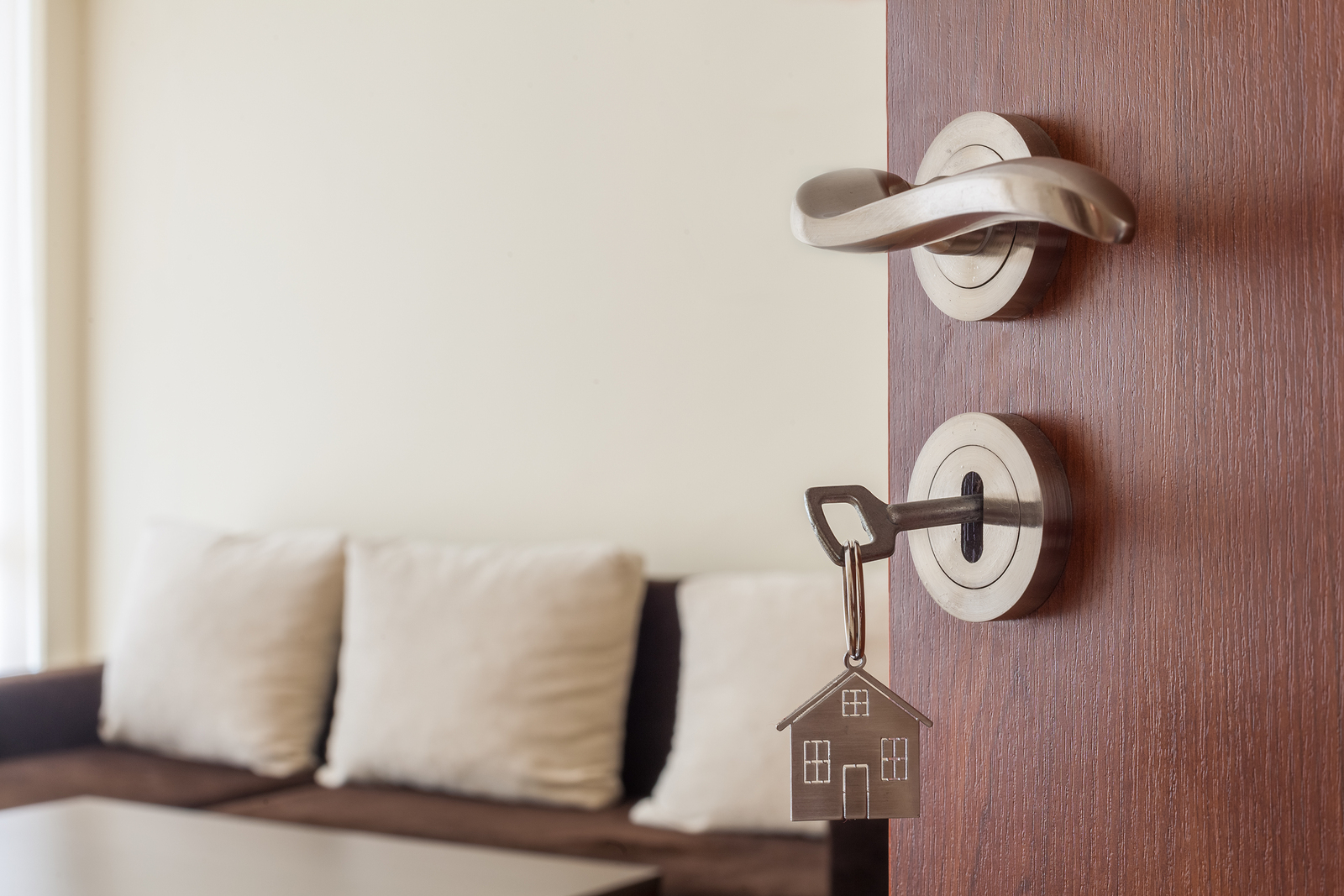
That usually means slowing down enough to get honest, looking past the surface, understanding the numbers, and staying focused on what matters most. It means choosing based on fit, function, and long-term reality instead of pressure, noise, or fantasy.
That is how people make big real estate decisions with a lot more confidence and a lot less regret.


