

A lot of buyers think they are looking for the one.
The perfect house. The perfect layout. The perfect street. The perfect kitchen. The perfect price.
And on paper, that sounds reasonable. Of course you want to love the home you buy. Of course you want it to feel right. Of course you want to make a smart decision.
But this is where buyers get stuck.
Because the perfect home is a myth.
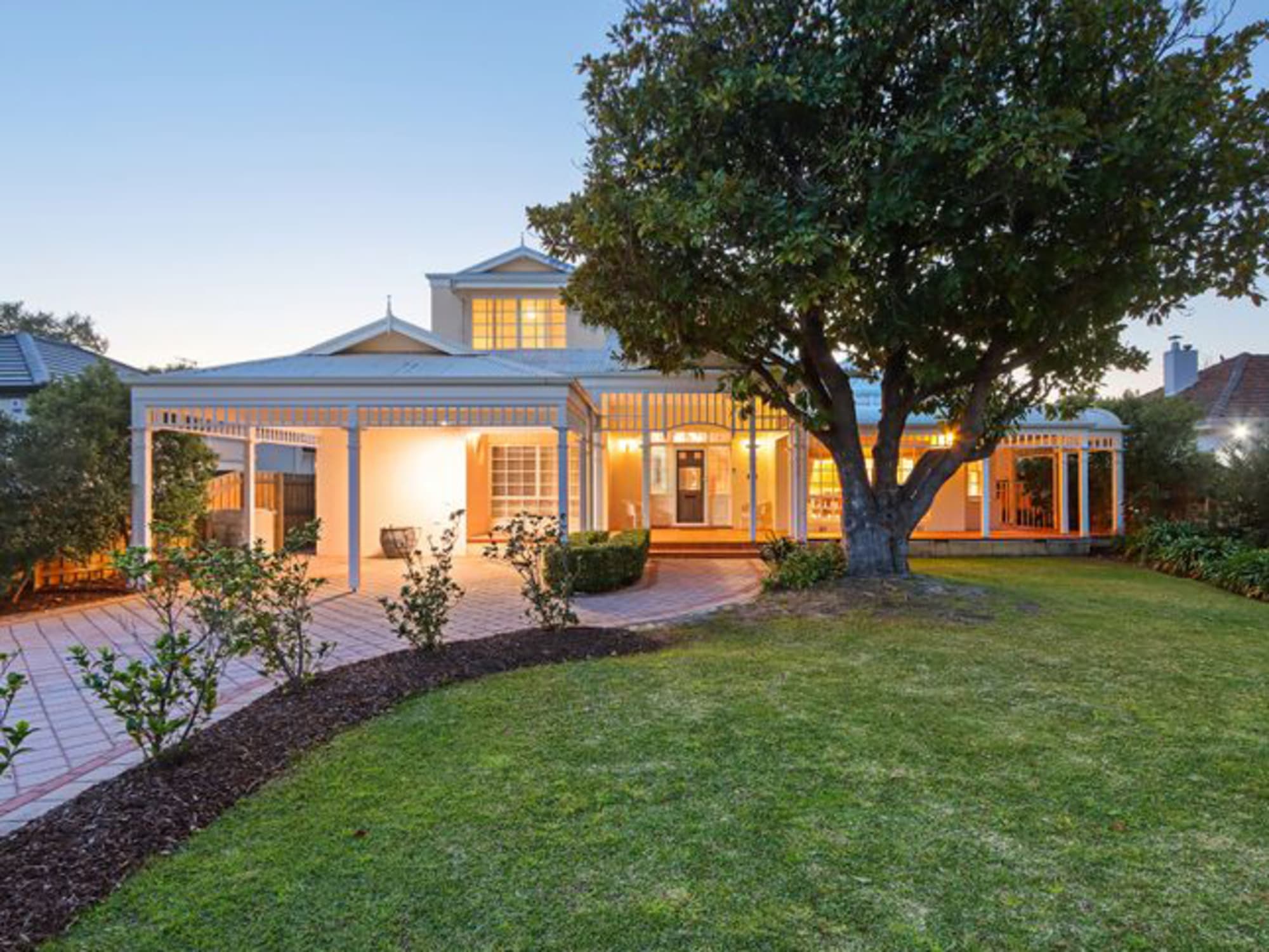
It does not mean there are no great homes. There are. It does not mean you should settle for something that clearly does not work. You should not. But if you go into the process thinking the right home will check every box without any trade-offs, you will either drag the search out forever or miss a house that was actually a very good fit.
That is what happens to a lot of buyers. They keep chasing a version of homeownership that only exists in their head.
The problem is not just unrealistic expectations. It is also how those expectations get built. Buyers spend hours scrolling listings, saving photos, comparing finishes, and building a running list of everything they want. Over time, that list gets longer and more specific. Then they walk into real homes and feel disappointed because the real world is not matching the version they built online.
That disconnect creates frustration fast.
It is one of the clearest reasons the perfect home is a myth. Buyers are not comparing homes to other homes anymore. They are comparing real properties to a fantasy that has no flaws, no compromises, and no price ceiling.
That is not a fair fight.
Every home comes with trade-offs. The bigger question is whether the trade-offs are ones you can live with comfortably. A house may have the right location but a smaller yard. It may have the kitchen you want but less closet space. It may check almost every box but need paint, flooring, or a few updates. That does not make it the wrong house. That makes it a real one.
The strongest buyers understand this early.

They stop asking whether a home is perfect and start asking whether it fits their life. That is a much smarter question. A home does not need to impress you in every category. It needs to work where it matters most.
That means figuring out your real priorities before emotion takes over.
What do you actually need day to day? Not what looks nice in listing photos. Not what would be fun to have if money were unlimited. What really matters? Commute. Layout. Bedroom count. School options. Yard space. Home office. Storage. Walkability. Quiet. Natural light. These are the things that shape daily life.
When buyers get clear on their real non-negotiables, the search gets better.
That is how you move past the idea that the perfect home is a myth and start finding homes that make practical sense. You stop expecting one property to solve everything. You start looking for the one that handles the things that matter most while leaving room for smaller imperfections you can live with.
And yes, there will almost always be imperfections.
That is not failure. That is homeownership.
Another reason buyers get tripped up is that they confuse polished with perfect. A staged home with beautiful photos and the right smell can create a strong emotional pull. That does not mean it is the right fit. At the same time, a home that shows a little less impressively online may actually have the layout, location, and long-term value that makes far more sense.
Buyers have to look past surface-level attraction.
This is where practicality matters. You can paint walls. You can update lighting. You can change fixtures, floors, landscaping, and finishes. What you cannot easily change is location, lot, floor plan, or overall function. Those are the things worth paying more attention to.
That is what to look for instead.
Instead of searching for perfect, look for strong bones. Look for a layout that fits your life. Look for a location you will still feel good about on an ordinary Tuesday, not just on the day you toured the home. Look for signs that the home has been cared for. Look for a payment you can live with comfortably. Look for a house that feels good enough now and still gives you room to grow into it.
That is a much healthier approach.
It also leads to better decisions because it takes pressure off the wrong things. Buyers who are waiting for some magical moment where the perfect house appears often miss homes that would have served them really well. They pass on good options because one bathroom is dated or the dining room is smaller than they hoped. Meanwhile, someone else buys the house and builds a very happy life there.
That happens all the time.
The truth is, the best home for you is usually not the one with zero flaws. It is the one with the right flaws. The manageable ones. The ones that do not interfere with how you live. The ones you can improve over time or simply stop noticing once the home becomes yours.
That is why the perfect home is a myth. Not because great homes do not exist, but because the real goal is not perfection. It is fit.

The right home should make sense financially, function well for your life, and feel like somewhere you can build from. That is more than enough.
And honestly, that is what most happy buyers end up with anyway.
Not perfect.
Just right where it counts.


